


Traveling with Cats: A Complete Guide
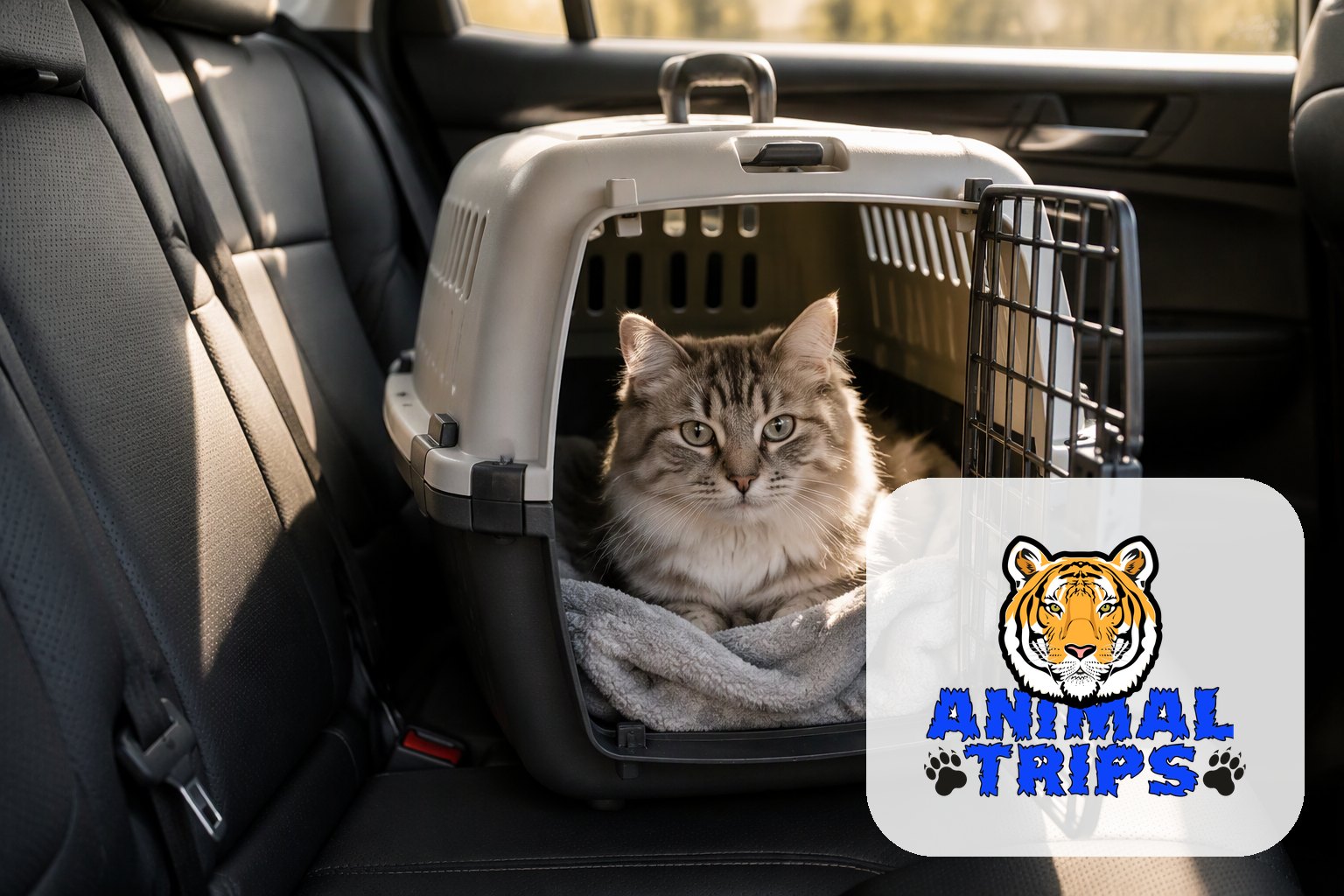
Cats are territorial and attached to routine, so travel is often harder for them than for dogs. But with proper preparation most cats handle the journey calmly — and the key is a carrier the cat knows and treats as a den, not a trap. Here are proven rules from our weekly trips with cats between the USA and Europe.
The carrier: the most important purchase before the trip
A cat needs a stable, rigid carrier — a soft bag folds under its paws and amplifies stress. Choose a model with a top or side door (easier to place and remove the cat), solid latches and room for an absorbent pad. Size: the cat should be able to stand, turn around and lie down. Put a blanket that smells of home inside — for cats a familiar scent works better than any sedative.
Getting used to it: start 2–3 weeks ahead
Place the open carrier in your home as a permanent fixture: blanket inside, treats and toys nearby. A cat that starts sleeping in it on its own will walk in without a fight on departure day. A week before the trip, make 2–3 trial drives of 10–15 minutes, ending with a return home and a reward. Cats learn more slowly than dogs, but the result is the same: the car stops being a threat.
Documents for international travel
Within the EU a cat needs the same as a dog: a pet travel document set, an ISO microchip implanted before vaccination and a valid rabies vaccination (21 days after the first dose). Updated rules have been in force since April 2026 — including stricter verification of the chip number and the “chip first, then vaccination” order. Details in our articles on pet transport documents and the new EU rules 2026.
Safety in the car
Never let the cat out of the carrier while driving — a frightened cat can jump under the pedals or dash out when a door opens. Place the carrier on the back seat and secure it with the seat belt, or on the floor behind a seat. Keep the cabin at 18–22 °C, avoid loud music and sharp manoeuvres. Stop every 2–3 hours: water and a chance to use a travel litter tray (many cats refuse — that is normal; a healthy cat manages 10–12 hours without one).
Cat on a plane
Most airlines accept cats in the cabin up to 8 kg including the carrier — the most comfortable option. A cabin carrier must fit under the seat (usually about 40×30×20 cm), so check the airline’s dimensions before buying. Book the cat’s place as soon as you buy the ticket — the number of animals on board is limited. Discuss sedation with your vet: for flights most doctors advise against sedatives because they affect temperature and blood pressure regulation.
What cats hate: common mistakes
- feeding 1–2 hours before departure — give the last meal 4–6 hours ahead;
- opening the carrier “just for a moment” at a stop with the doors open;
- loud comforting and taking the cat out in the first hour — better to cover the carrier with a light blanket and leave it alone;
- human sedatives — dangerous for cats;
- a brand-new carrier bought the day before the trip.
How we transport cats at Animal Trips
In our climate-controlled vans cats travel only in carriers — secured, covered, with absorbent pads and water at stops. On the the USA–the USA route we drive weekly, and owners receive photo updates from the road. See our road transport offer or write to info@animalltrips.com — we will help you choose a carrier and check the documents before departure.