


Traveling with a Senior Pet: Rules and Tips
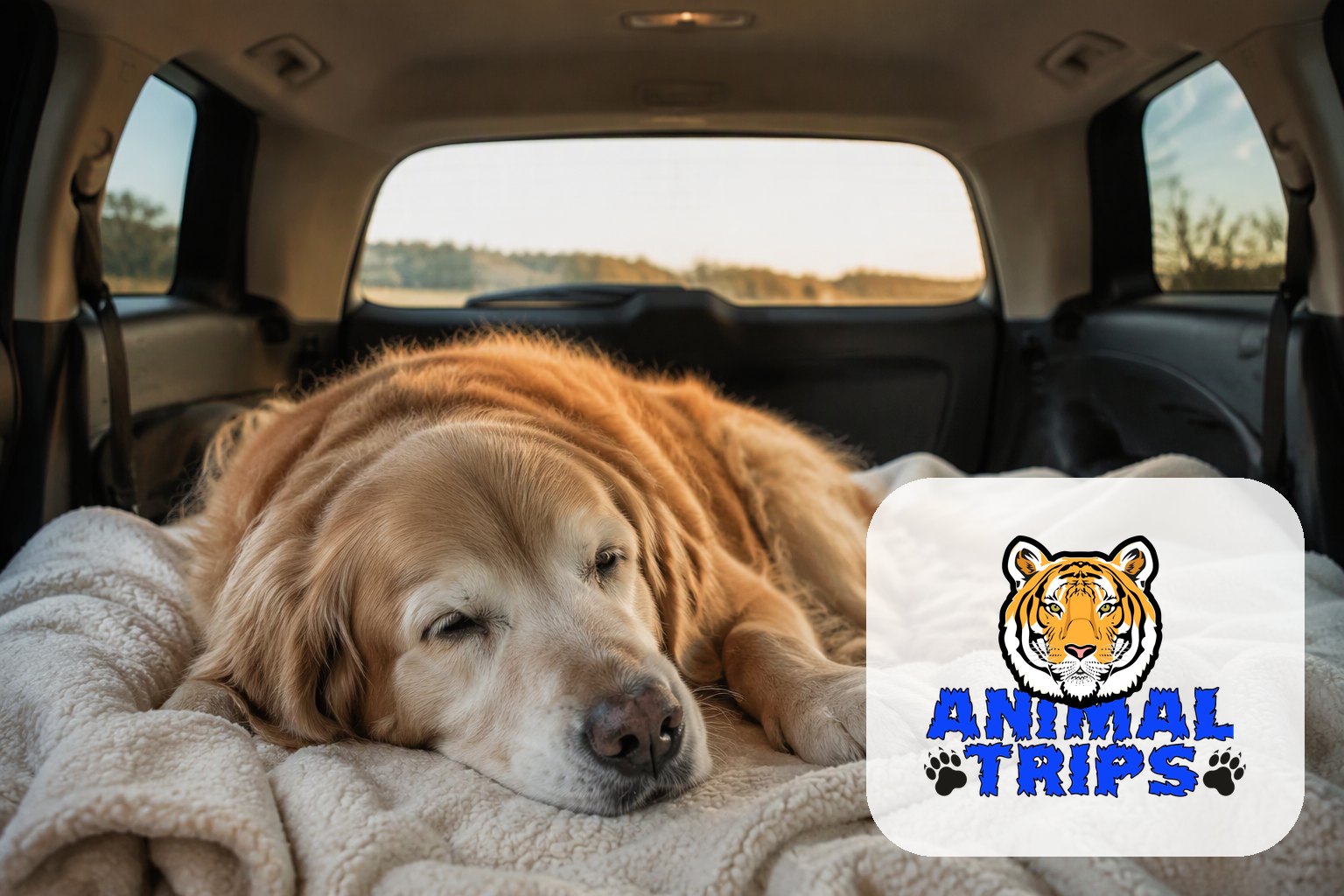
A senior dog or cat is a full-fledged passenger — but with different needs: a slower pace, more frequent stops, a stable temperature and attention to medication. With proper preparation, seniors handle the the USA–the USA route just as well as youngsters — we transport them regularly and know what really matters.
When is a pet a “senior”
The threshold depends on size: large dogs enter senior age around 7–8 years, medium ones around 9–10, small dogs and cats around 10–12. Age alone is not a contraindication to travel — health condition is what counts. A senior with a controlled heart condition and stable weight often handles the journey better than a young, over-excited animal.
Pre-trip check-up: mandatory
For animals over 8–10 years we recommend a vet visit 2–3 weeks before departure: full blood count and biochemistry, assessment of heart, joints and kidneys, and a review of regular medication. Ask for a written note that the animal may travel — it is useful at the border and gives you peace of mind. If your pet takes medication, agree the departure-day schedule with the vet: what to give in the morning, what to pack in the travel bag, what must not be given on an empty stomach.
Car comfort: what to change for a senior
- Thicker bedding — senior joints need a soft, stable base, ideally with the familiar smell of home;
- Easy access — carrier placed low, no jumping required; for large dogs consider a ramp;
- Stable 18–22 °C — older animals regulate temperature worse; avoid overheating and draughts;
- More frequent stops — every 2 hours instead of 3: short movement prevents joint stiffness and helps with toilet needs;
- Smaller portions, more water — seniors do better with a small meal at a stop than a full bowl before the trip;
- Quiet and calm — older dogs and cats react more sharply to noise and sudden car movements.
Plane or car for a senior?
In most cases the car wins: controlled temperature, frequent stops, no check-in stress and no airport noise. Consider flying only for a healthy senior with the vet’s approval — ideally in the cabin, next to you. Car preparation details are in our guide on travelling by car with a dog, and the required documents are identical to those for young animals.
Symptoms that require a break
A senior finds it harder to “tell” you something is wrong — watch for: intense or unusually shallow breathing, refusing water at two stops in a row, disorientation, trembling unrelated to cold, unusual apathy. Each of these signals means a stop, fresh air, water and — if it does not pass — a call to the vet. Keep a clinic phone number for the route at hand and note vet points in major cities along the way.
Medication and food on the road
Give regular medication on the usual clock, not by “travel logic” — shifting doses is sometimes more dangerous than the stress of the road. Store medicines in an insulated bag, away from the heating window. Food for the trip: favourite food in small portions, water from home, no experiments with new treats — a move is not the time to change diet.
How we transport seniors at Animal Trips
Older animals are a special passenger category for us: thicker bedding, stops every 2 hours, a gentle driving pace and phone reports for the owner. On the the USA–the USA route we drive weekly — write to info@animalltrips.com, tell us about your senior’s health, and we will adapt the journey to their needs or help you decide whether the trip is safe for them.