


How to Prepare Your Dog for a Long Car Trip
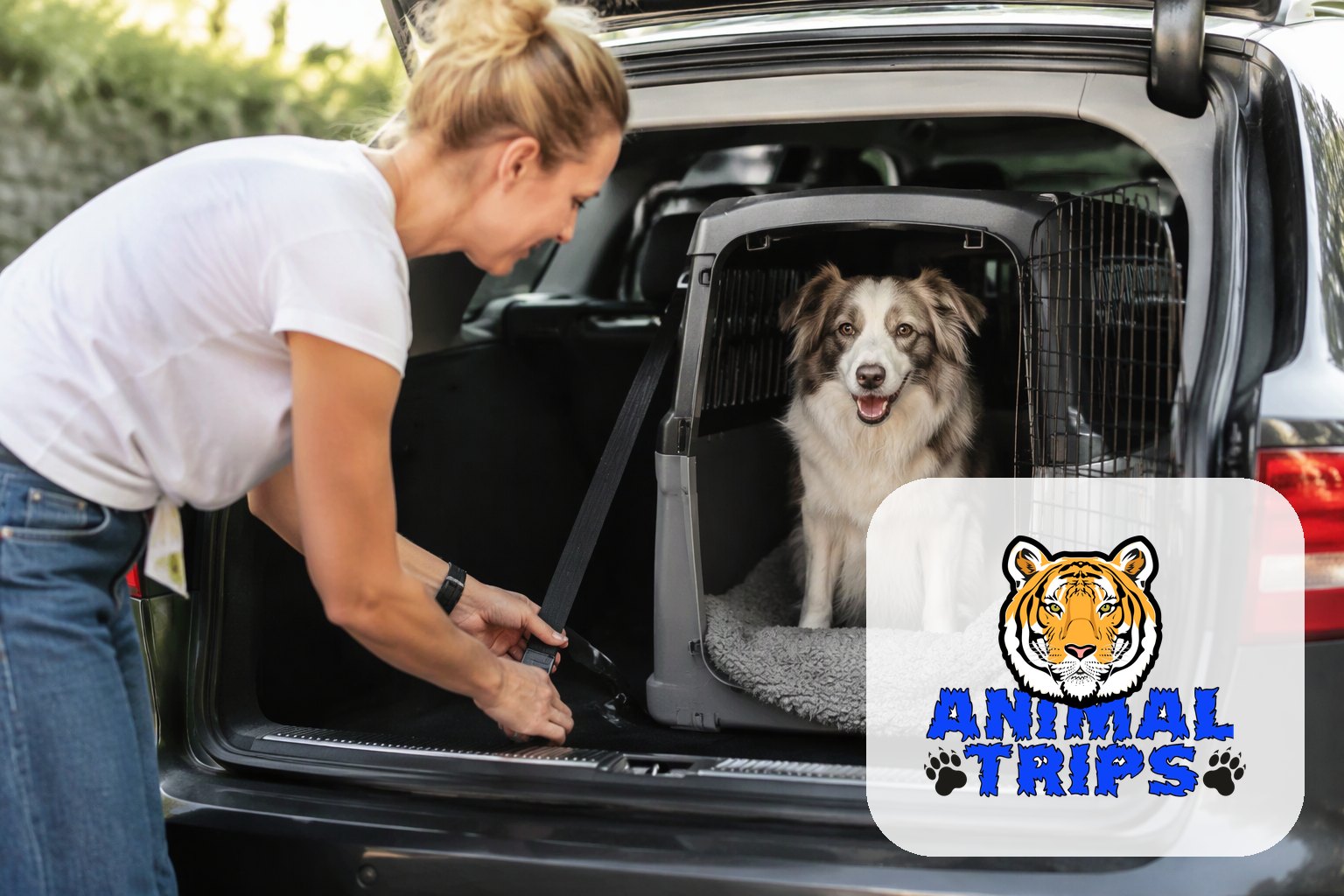
A long car journey — a move, a holiday or a return home — is often the biggest stress of the year for a dog. The good news: most problems can be avoided with simple preparation started 2–4 weeks before departure. This guide collects what actually works, based on hundreds of trips we have made with dogs between the USA and Europe.
2–4 weeks before: health and documents
Start with a vet visit: general condition, vaccination status and — for international routes — the document set. Within the EU you need a pet passport, an ISO microchip implanted before vaccination and a valid rabies vaccination. We cover the details and the new rules in force since April 2026 in our articles on pet transport documents and the 2026 EU rule changes. If your dog has chronic conditions or is a senior, ask the vet directly whether a long journey is safe and whether supportive medication is needed.
Getting used to the car, step by step
The most effective method is gradual adaptation: week one — the dog enters the parked car, gets a treat and leaves; week two — short 5–10 minute drives with a pleasant ending (park, walk); week three — 30–60 minute trips. A dog that has completed a few positive “training” drives handles a long journey completely differently from one placed in a car for the first time in its life.
Safety: crate, harness or barrier?
A dog roaming freely in the car is a danger to everyone — under hard braking even a 10 kg animal becomes a projectile. American rules and European practice allow three solutions: a travel crate (the safest option for small and medium dogs, secured with belts or on the floor behind the seats), a car harness clipped into the seat belt (for calm, trained dogs), and a dividing barrier in an estate car (for large breeds). Our choice for long routes is a crate with soft bedding and the familiar smell of home.
What to pack for your dog: checklist
- water from home (a change of water often causes stomach issues) and a travel bowl;
- food for the whole trip plus a 1–2 day reserve;
- bedding or a blanket that smells of home, a favourite toy;
- leash, collar/harness with an ID tag, waste bags;
- documents: passport, certificates, phone numbers;
- first-aid kit: regular medication, motion-sickness remedy prescribed by the vet, wipes and bandage.
On departure day and on the road
Give the last full meal 3–4 hours before leaving — a full stomach plus car motion is the most common cause of vomiting. Take a long walk before departure so the dog is tired and has relieved itself. Stop every 2–3 hours for 15–20 minutes: water, a short leashed walk, a toilet break. Never leave the dog alone in a parked car — in summer the temperature inside becomes dangerous within minutes. The cabin optimum is 18–22 °C with gentle airflow, never blowing directly onto the crate.
Motion sickness and stress
Drooling, whining, vomiting and restlessness are typical signs. What helps: travelling on a half-empty stomach, fresh air, smooth driving without sharp acceleration and short breaks. If symptoms are strong, consult the vet beforehand — safe motion-sickness remedies and gentle calming support (pheromones, supplements) exist, but they should be chosen by a doctor who knows the dog. Never give human sedatives.
How we travel
At Animal Trips dogs travel in climate-controlled vans, in secured crates or safe boxes, with stops every 2–3 hours and regular photo updates for owners. On the the USA–the USA route we drive weekly — if you would rather have the journey organised by a team that does this every day, see our road transport offer or write to info@animalltrips.com.