


Transporting a Dog in Summer Heat
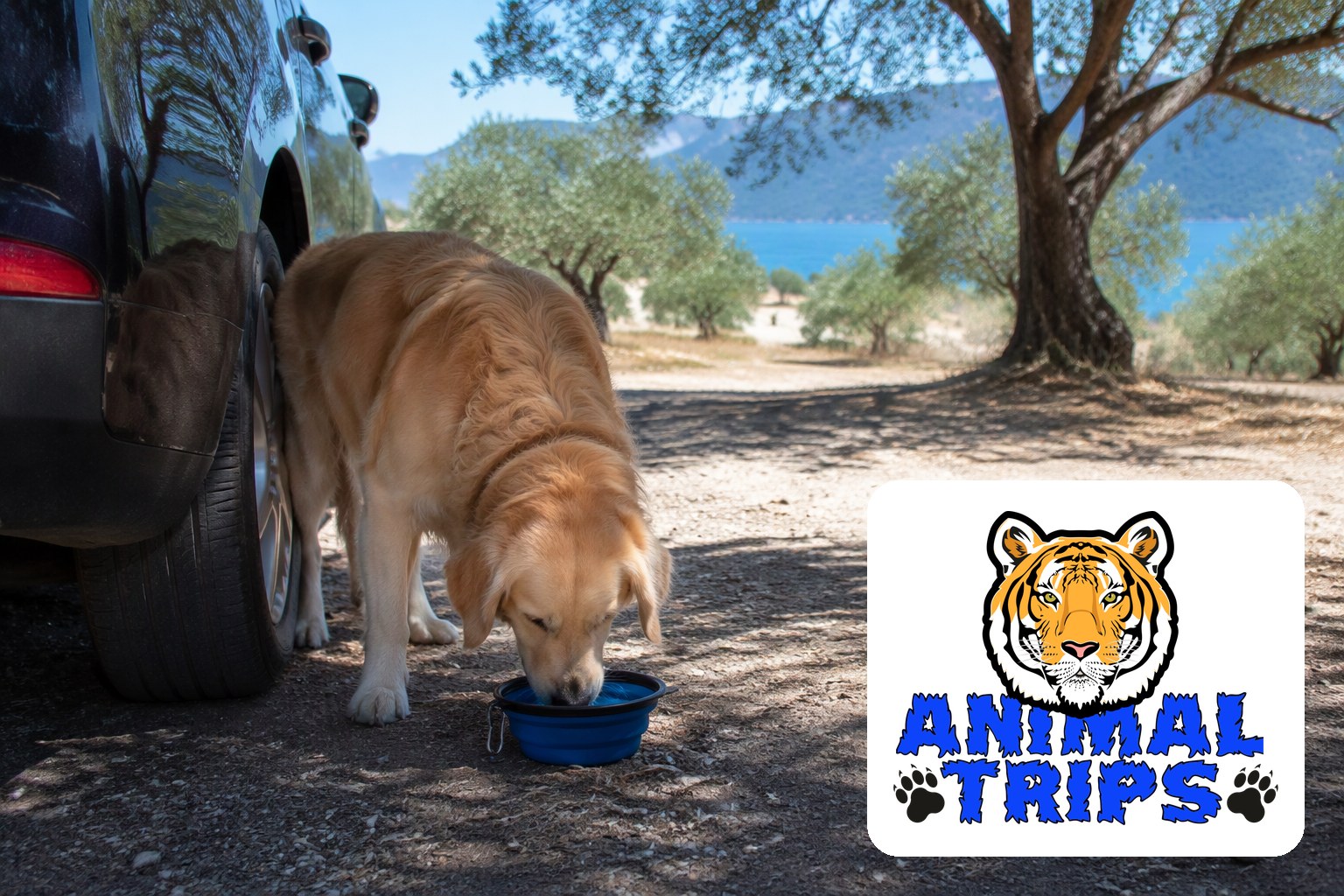
A dog does not sweat the way we do — it cools itself mainly by panting, and in hot weather that works poorly. That is why a summer route needs different rules than a winter one: different timing, a different pace and constant temperature control. Here is our proven protocol for the hot months.
Why heat is more dangerous for dogs than for us
A dog’s body temperature is 38–39°C, and heatstroke begins at just 40.5°C. Inside a car, even with the air conditioning set “for the passengers”, the spot where the dog lies can be 5–8°C hotter than at the dashboard. That is why we control the temperature at carrier level, not “by feel”.
Travel hours: morning and evening
- the best windows are 5:00–9:00 and after 19:00 — asphalt and air are cooler;
- at midday we plan a long stop in the shade rather than driving;
- crossing big cities at rush hour in the heat risks standing in a traffic jam with an overheated car — take a bypass or shift the departure.
Air conditioning and ventilation in practice
- cool the car before loading — 10 minutes of air conditioning in an empty cabin;
- the carrier must not lie in direct sun through the glass; a sunshade or window film is not a luxury;
- aim the airflow at the cabin space, not directly at the dog, to avoid over-chilling;
- every 2 hours a quick check: touch the dog’s ears and sides — hot and dry is a warning sign.
Hydration: more often, but less at a time
In the heat a dog loses water faster than usual, but one big drink at the end of a leg causes vomiting. The scheme: every 1.5–2 hours, several small portions of fresh, not ice-cold water. A travel bowl and a water reserve (at least 1 litre per dog for every 4–5 hours on the road) are mandatory kit.
Short-nosed breeds — a special regime
Bulldogs, pugs, Pekingese and boxers have shortened airways and overheat 2–3 times faster than other dogs. For them: an air-conditioned cabin only, 20–22°C, stops in air-conditioned buildings, and above 28°C outside — consider postponing the trip. Read more in our article on short-nosed breeds on the road.
Heatstroke symptoms — react immediately
- intense, noisy panting that does not ease in the cool;
- heavy drooling, glassy eyes, wobbly gait;
- bright red or pale bluish gums;
- vomiting, diarrhoea, trembling.
First aid: stop in the shade, wet the dog with cool (not ice-cold!) water — especially the belly, paws and armpits — switch on a fan or the air conditioning and drive to the nearest vet. Do not douse the dog with cold water and do not wrap it entirely in a wet towel: abrupt cooling is as dangerous as overheating.
Absolute don’ts
- leaving the dog alone in a parked car — even for 5 minutes with a cracked window;
- keeping the carrier in an estate car boot without a ventilation barrier — that is the hottest spot;
- walking the dog on scorching asphalt — paw pads burn at a surface temperature of 50°C; test with your hand before every stop.
How we drive in summer at Animal Trips
Our vehicles have air conditioning with a dedicated duct for the transport cabins, and a temperature sensor by each cabin reports to the driver. Stops are planned in the shade with water, and southern routes are shifted to early morning. See our dog transport by car service or ask about dates — in summer the schedule fills up fast.