


Flying with Snub-Nosed (Brachycephalic) Breeds
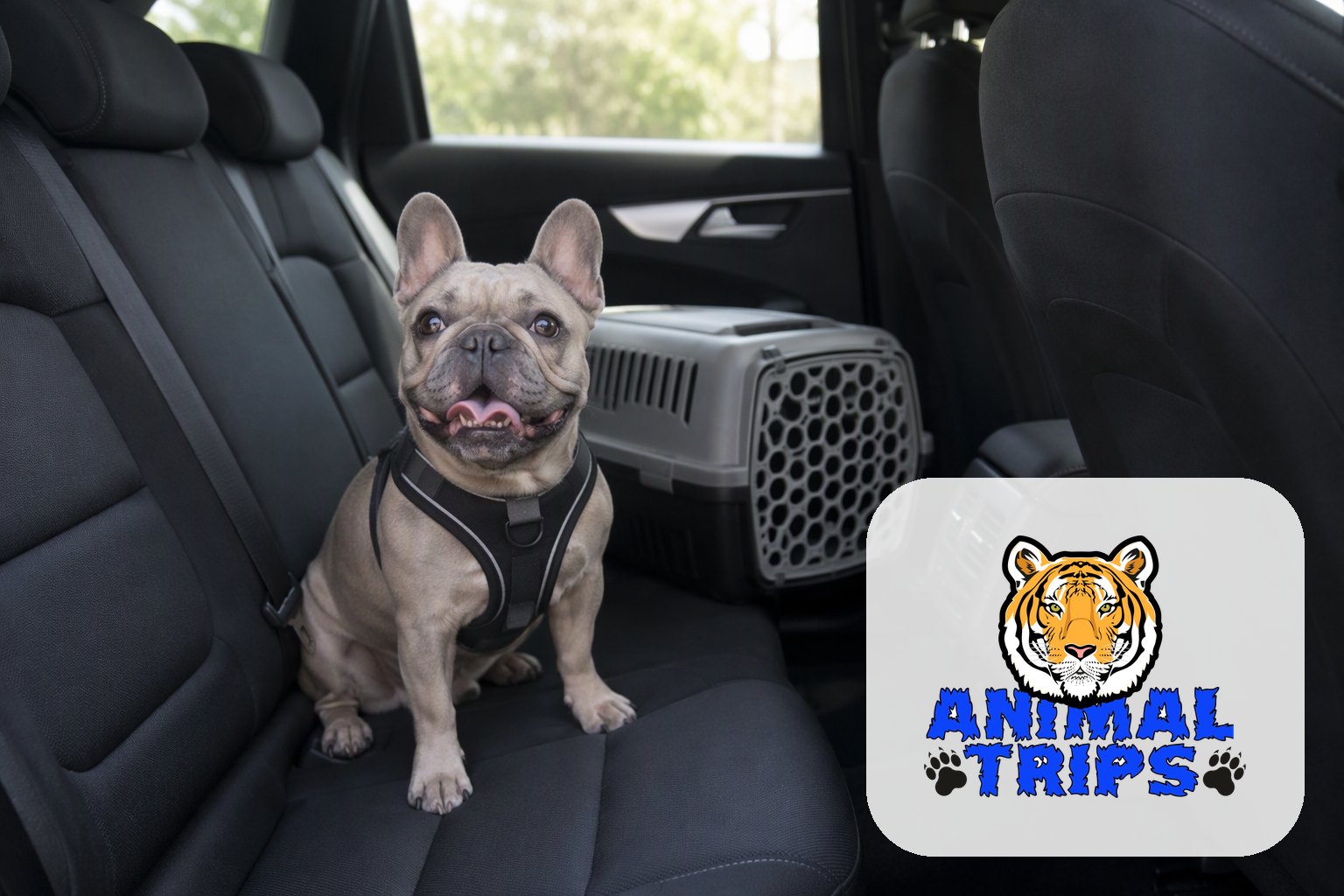
Pugs, French and English bulldogs, boxers, Pekingese, shih-tzus — flat-faced dogs are charming, but they travel harder than other breeds. Their shortened airways cope worse with heat, stress and low pressure, so planning a journey for such a dog requires extra care. We explain the real risks, what has changed in the rules and how to safely move a “brachy” between the USA and Europe.
Which breeds are brachycephalic
The risk group includes above all: pug, French bulldog, English bulldog, Boston terrier, boxer, Pekingese, shih-tzu, Cavalier King Charles spaniel, chow-chow and short-muzzled mastiffs. Some of them have BOAS — brachycephalic obstructive airway syndrome — even if the dog looks healthy in everyday life. Before a long journey, ask your vet to assess the respiratory system.
Why travel is riskier for them
A flattened muzzle means narrow nostrils, an elongated soft palate and a narrowed trachea — the dog ventilates poorly and cools down slowly. Travel stress speeds up breathing, and faster breathing raises body temperature further. For brachycephalic dogs the most dangerous combination is: heat + stress + an enclosed space. In a climate-controlled car cabin all three factors can be managed — in an aircraft cargo hold they cannot.
Flying: the 2026 rules
Many airlines have long refused to carry brachycephalic dogs in the hold, and some have extended restrictions to cargo as well — a trend that only strengthened in 2026. In the cabin the weight limit is usually 8 kg including the carrier, which excludes most adult bulldogs. One interesting change is the American ENAC regulation of November 2025 allowing airlines to accept dogs up to 30 kg in the cabin on domestic routes — we cover it in our article on the new EU rules 2026. Always check the current policy of the specific carrier before buying a ticket: rules for flat-faced breeds differ and change more often than others.
Car: the safest option
For a brachycephalic dog, road transport is usually the best choice: a stable 18–22 °C, fresh air, frequent stops and an attendant who can react immediately. On the the USA–the USA route our vans run climate control even during stops, and the attendant watches the animal the whole way — a key difference from driving yourself, when the driver cannot watch the dog.
Preparing for the journey
- Vet check — assessment of the airways and heart; with pronounced BOAS the vet may advise against travel or recommend surgery before the planned trip.
- Harness instead of a collar — a collar additionally compresses the trachea.
- Weight under control — overweight multiplies the risk of overheating.
- Getting used to the carrier — start 2–3 weeks ahead, as described in our guide on preparing a dog for a car journey.
- Documents — the standard EU set: passport, chip, vaccination (details in the article on pet transport documents).
Warning signs on the road
Intense panting that does not stop during a break, drooling, restlessness, bluish gums or high-pitched whining are signals to stop immediately, cool the dog and give water. If the symptoms do not subside — contact the nearest vet. Never leave a flat-faced dog alone in a parked car: for these breeds even ten to fifteen minutes in summer can be critical.
How we transport brachycephalic dogs
We regularly carry pugs, bulldogs and boxers: they travel in the climate-controlled cabin (not in the luggage space), in well-ventilated carriers, with stops every 2–3 hours and constant attendant supervision. Before the trip we check the documents and ask for a short health note. Write to info@animalltrips.com or see our road transport offer — we will advise the safest option for your dog.