


10 Common Mistakes When Transporting a Dog
Every year we see the same scenes: a dog loose on the back seat, a full bowl “for the road”, a passport left in a drawer. Most problems on the road come not from bad intentions but from repeated mistakes. We have collected the ten most common — with concrete ways to avoid them.
1. Dog loose in the car
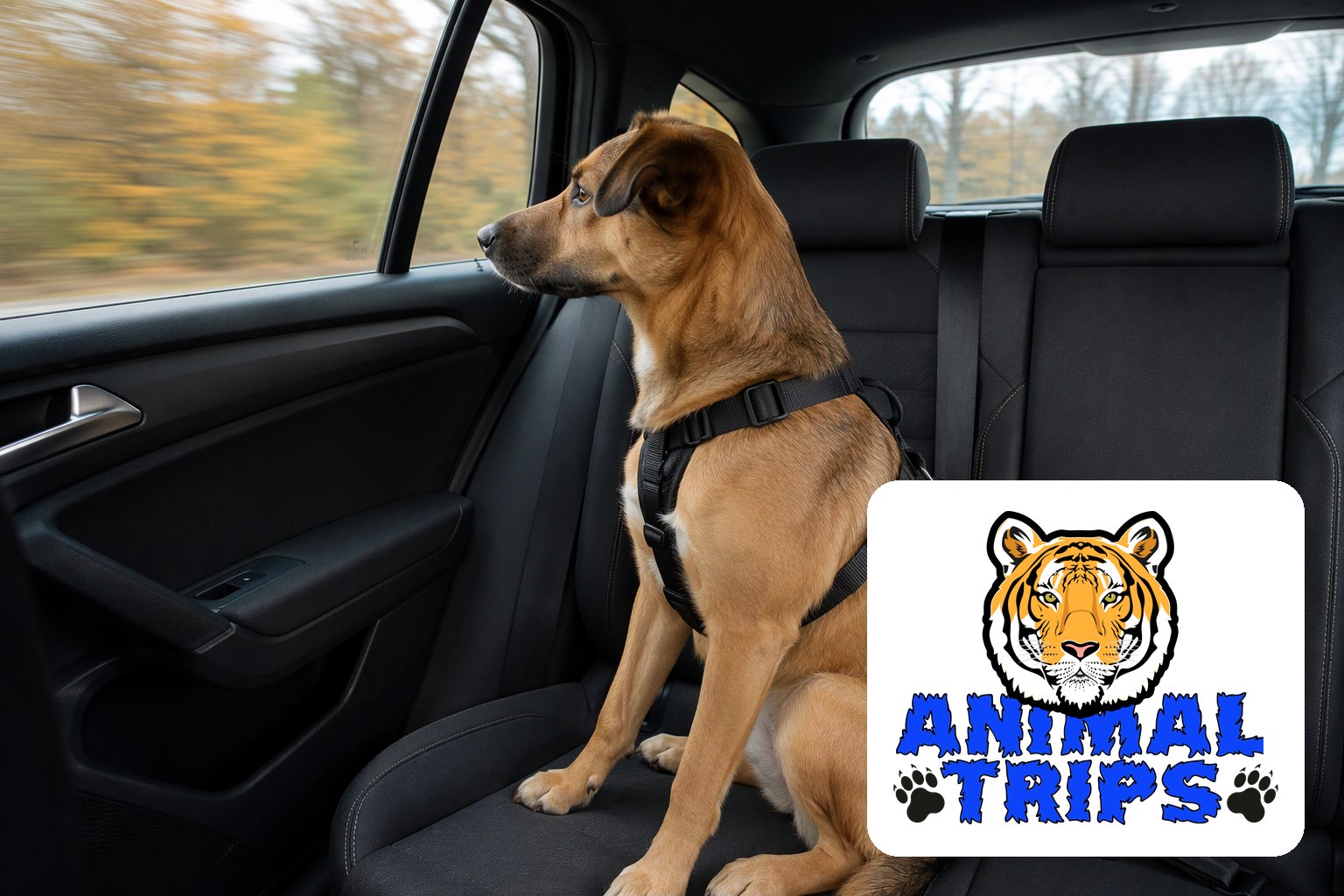
An unsecured dog in a 31 miles/h collision becomes a projectile weighing hundreds of kilograms. It endangers the dog and the passengers. The fix: a carrier, a boot crate or a harness clipped to the seat belt. In many EU countries an unrestrained dog also means a fine.
2. A full bowl right before departure
Feeding 1–2 hours before the ride is a straight path to motion sickness and vomiting. Serve the last meal 4–6 hours before setting off, limit water an hour before, then offer small drinks regularly on the road.
3. Missing documents or an expired vaccination
Passport, valid rabies vaccination (at least 21 days after the first one) and a microchip are the basics at any border crossing. Check documents a week before departure, not on the travel day — last-minute fixes are often impossible.
4. Sedatives “from the internet”
Human medication and sedatives not prescribed by a vet can lower a dog’s blood pressure and breathing — especially dangerous on planes and for short-nosed breeds. Discuss any medication with your vet and test the dose at home days in advance.
5. A carrier the dog has never seen
A carrier that appears once a year is an alarm signal for a dog. Acclimation takes about two weeks — we have a ready 14-day plan. Without it, even a short drive becomes a battle.
6. Legs that are too long without breaks
A dog needs a break every 3–4 hours: a walk, water, a few minutes of movement. Plan stops in advance — at rest areas with greenery, not “wherever it works out”.
7. Leaving the dog in a hot car
At 22°C outside, a car interior heats up to 47°C within an hour. Even “just five minutes” with a cracked window. Heatstroke kills dogs in minutes — a dog never stays alone in a parked car.
8. New food or treats on the road
A trip is the worst time for culinary experiments. Stress plus unfamiliar food equals an upset stomach in the least convenient place. Pack the usual food and familiar treats.
9. No ID tag and no contact on the carrier
Under stress a dog can slip away at a car park in a foreign country. An ID tag with your phone number (including country code!) and a contact sticker on the carrier make the difference between a loss and a quick happy ending.
10. “It will be fine” instead of a plan B
A delayed ferry, a closed border, illness on the road — it pays to know in advance: vets along the route, a backup pet-friendly hotel, the insurer’s number. An hour of planning saves days of nerves.
Prefer to hand the route to professionals?
At Animal Trips these ten points are our daily checklist: secured cabins, planned stops, a complete document set, route monitoring. See what dog transport by car with a handler looks like or request a quote.