


Crossing US Borders with a Dog by Car: Canada & Mexico
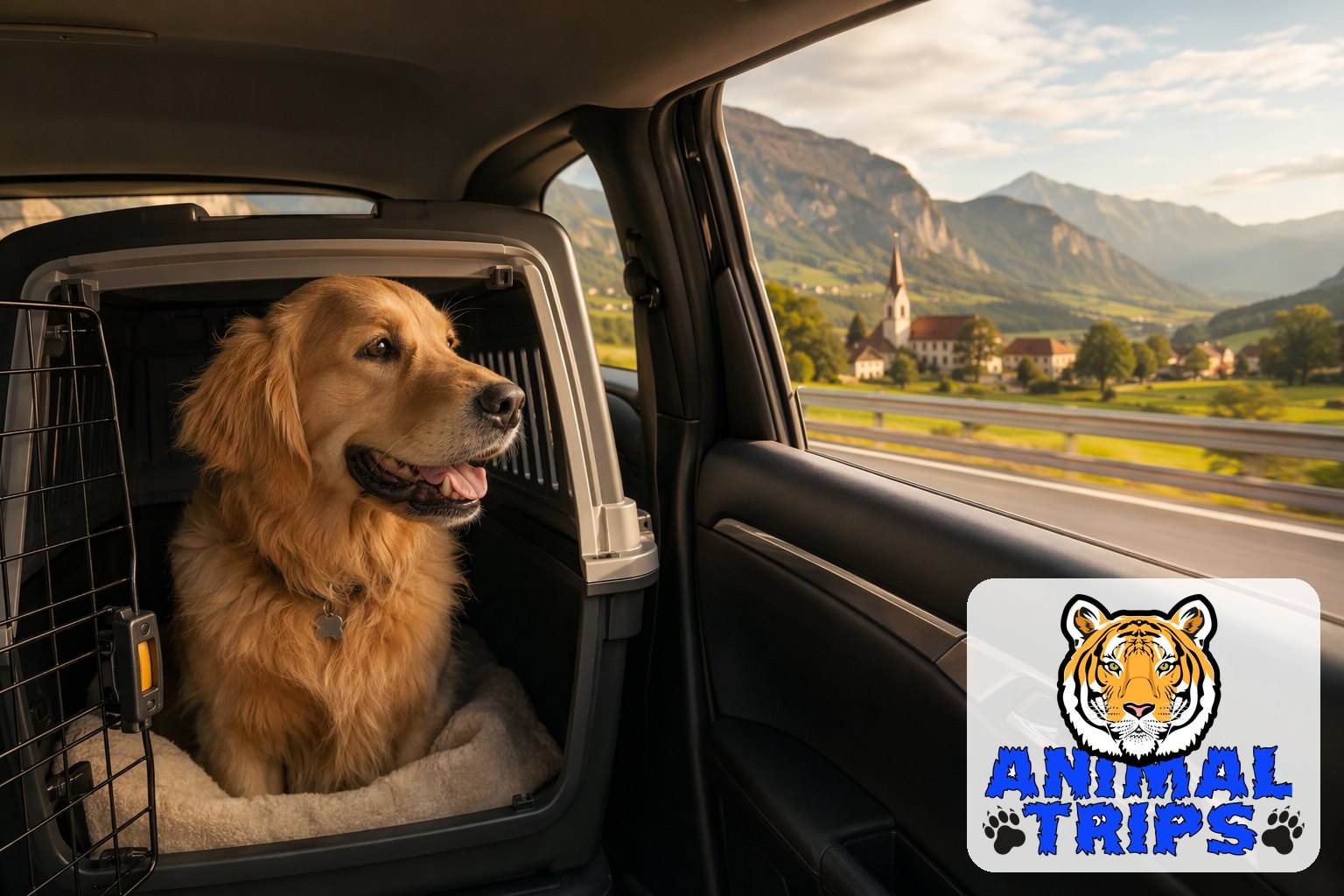
Driving to Canada or Mexico with a dog is the most common cross-border trip for American pet owners. The rules are simpler than for air travel, but there are still documents you must have at the border.
USA → Canada
- a valid rabies vaccination certificate in English or French, signed by a licensed veterinarian, with the vaccine name, serial number and validity dates;
- no quarantine and no import permit for personal pets;
- puppies under 8 months traveling for commercial purposes (sale, adoption) need additional paperwork — personal pets are exempt.
USA → Mexico
- a health certificate issued by a licensed veterinarian within 15 days of entry is recommended (and required by airlines — border officers may ask for it);
- a valid rabies vaccination;
- at the border the SENASICA office may visually inspect the animal;
- your dog should be free of parasites — a recent parasite treatment record helps.
Returning to the USA: the CDC rules
On the way back, your dog must meet the CDC entry rules: at least 6 months old, ISO microchip, and a completed CDC Dog Import Form (free, done online before the trip — the receipt is valid for 6 months and multiple entries). Canada and Mexico are not high-risk rabies countries, so no additional certificates are needed for dogs that stayed only there.
Between states
For interstate driving, most states formally require a Certificate of Veterinary Inspection (CVI) issued within 10–30 days and a current rabies vaccination. Checks are rare, but a CVI is essential if you board a ferry, enter a national park with specific rules, or your pet needs a vet on the road.
Practical tips
- carry both paper and phone copies of all documents;
- the microchip number on documents must match the implanted chip;
- plan vet visits 2–3 weeks before departure, not the day before;
- we can drive your pet cross-border with our own driver — with photo reports along the way.