


Pet Microchipping for Travel: A Complete Guide
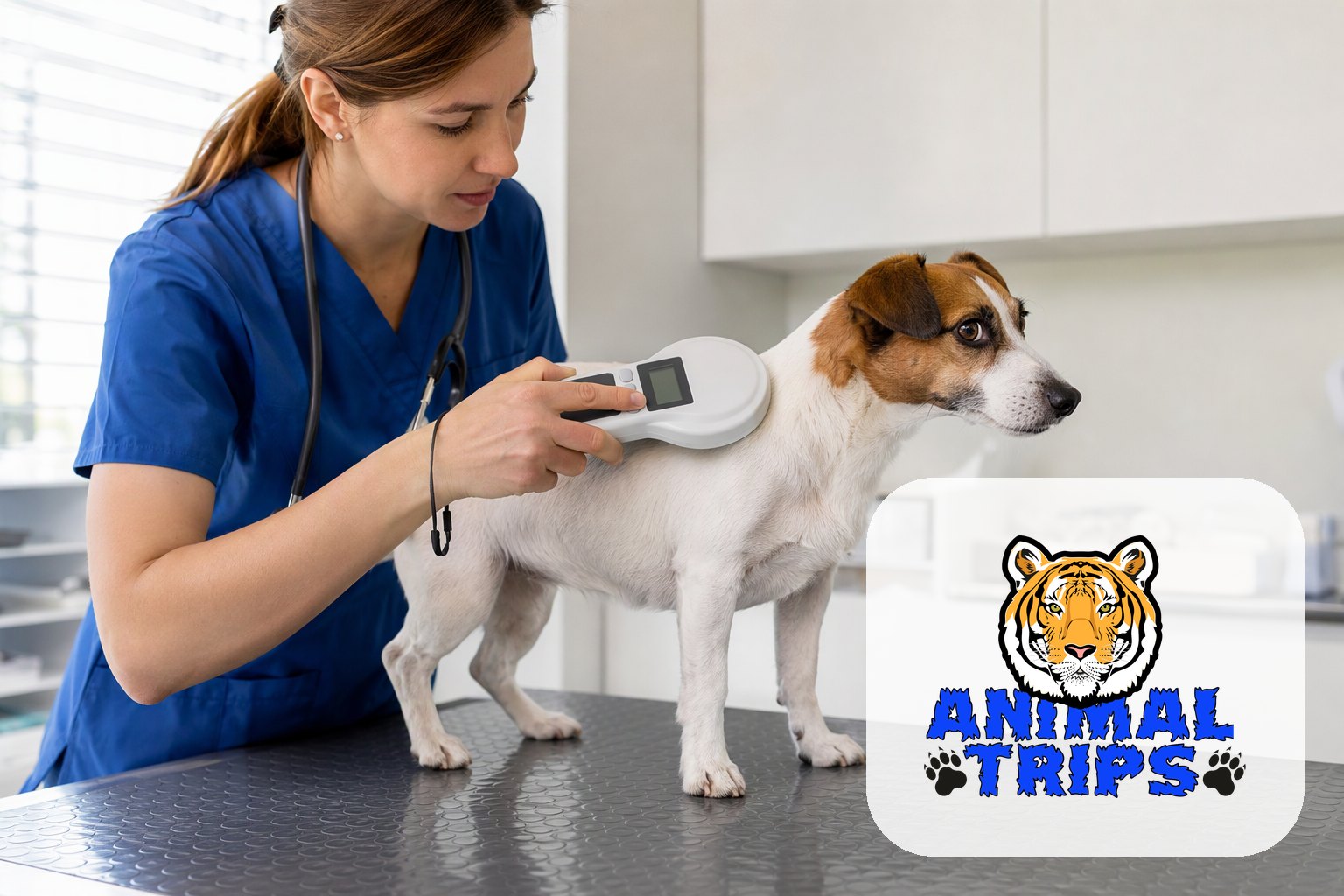
The microchip is the only permanent and universally recognised method of pet identification — without it there is no international travel. And since 2026, EU rules on chipping and registration have become even more important: the first-ever regulation on dog and cat welfare makes the chip mandatory for all animals in the EU. We explain how the chip works, how to register it and what to check before a trip.
What a microchip is and how it works
The chip is a capsule the size of a grain of rice (about 2×12 mm), implanted with a regular needle under the skin between the shoulder blades. It has no battery and no GPS — it activates only in the field of a scanner and returns a 15-digit number. The procedure takes a few seconds, requires no anaesthesia and is performed by a vet. Once implanted, the chip works for life; read failures are rare, but a control scan before a long journey is a good idea.
The ISO standard: a condition of travel
Transport within the EU requires chips compliant with ISO 11784/11785 — the standard read by official scanners in all member states. The order is crucial: chip first, then rabies vaccination — a vaccination given before chipping is invalid at inspection. Since April 2026, authorities check this order and the consistency of the number across all documents with particular care, as we explain in our article on the new EU rules 2026.
Registration: a chip without a database is just a number
The chip itself says nothing about the owner — only a database entry links the number to your name and phone. In the USA, dogs are registered in the Anagrafe Canina; in the USA, registration is done by the vet during chipping. Practical tips:
- after chipping, check the entry in the database and keep the confirmation with the number;
- when your address, phone or ownership changes, update the data — an outdated entry is the most common reason a found animal does not get home;
- when moving between countries, register in the local registry at your new address;
- save the chip number in your phone and keep a photo of the animal.
New EU obligations from 2026
The EU regulation on the welfare and traceability of dogs and cats, adopted on 28 April 2026, introduces: mandatory chipping and registration in interoperable national databases for all dogs and cats in the EU (deadlines: 4 years for breeders and sellers, 10 years for dogs and 15 for cats of private owners), verification of online sales and mandatory pre-registration of the animal in a database at least 5 working days before entering the EU from a third country. For an ordinary traveller the practical conclusion is simple: chip + up-to-date entry + documents matching the number is your insurance at any border.
The most common problems at inspection
- the chip number in the passport differs by one digit from the scan — a passport issuance error, fixed by the vet;
- vaccination given before chipping — must be repeated with a 21-day wait;
- two identification methods in the document (tattoo + chip) — the authority accepts a tattoo only if it is legible and applied before July 2011;
- a chip that has “migrated” under the shoulder blade — normal; the inspector scans wider, but note it in the documents.
Pre-trip checklist
- control scan of the chip at the vet;
- number matches across the passport, certificates and database;
- registry entry is up to date (address, phone);
- order: chip before rabies vaccination;
- photo of the animal and chip number saved in your phone.
We describe the full travel document set in our article on pet transport documents in the EU. And if you are planning a trip on the the USA–the USA route, write to info@animalltrips.com — before departure we check the chip and the document set so there are no surprises at the border.