


10 Common Mistakes When Transporting a Cat
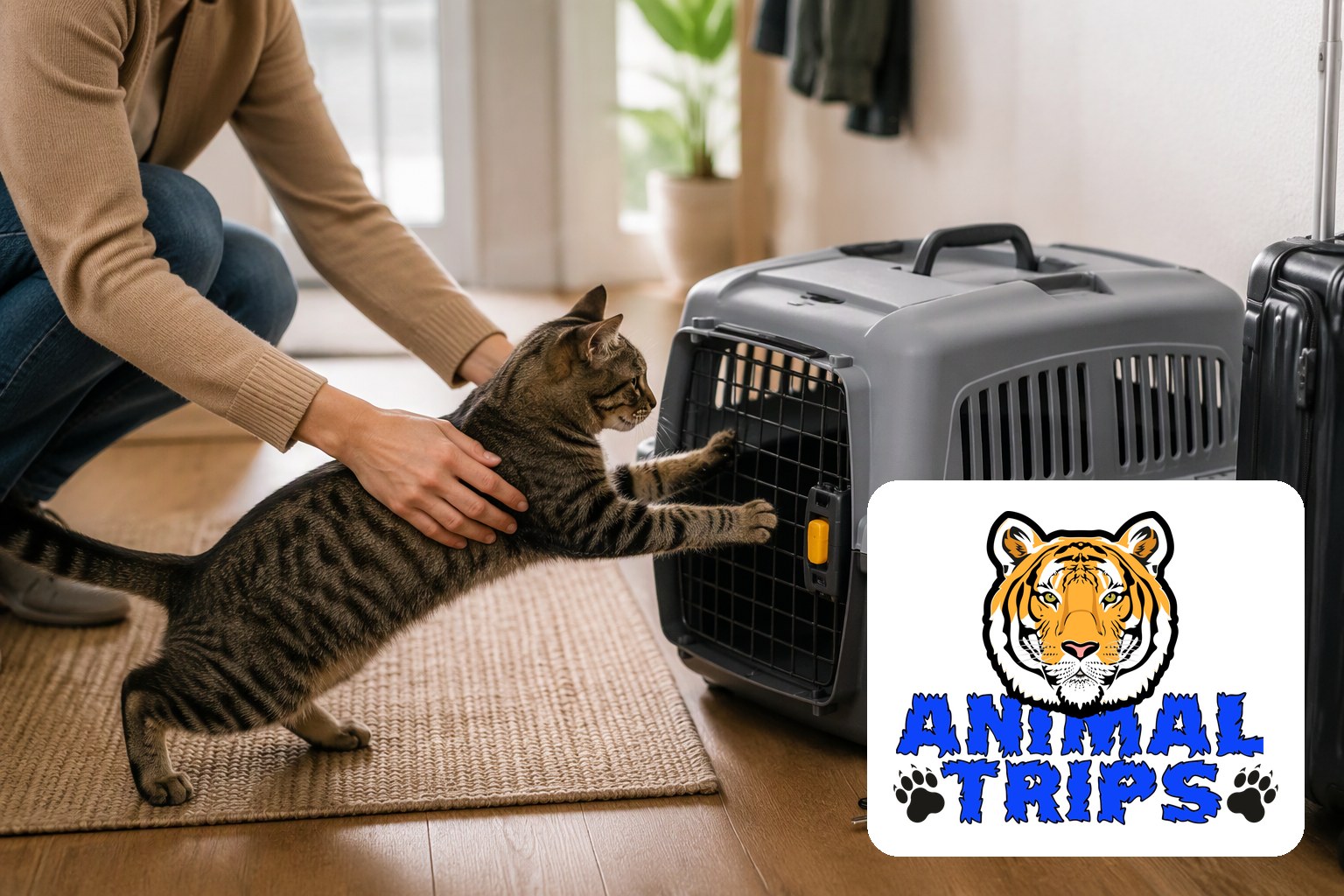
After thousands of kilometres with cats on board we have seen the same mistakes repeat — small oversights that turn an ordinary trip into a day of stress for the cat and the owner. Here are the ten most frequent ones, with the right remedy for each.
1. Buying the carrier the day before
To a cat a new carrier is a strange, threatening object — not a den. The remedy is simple but takes time: open the carrier at home at least two weeks ahead, with a blanket that smells of home and some treats inside. The full plan is in our guide to carrier training in 14 days.
2. Sedating the cat on your own initiative
Human tranquillisers are dangerous for cats, and even veterinary ones can disturb thermoregulation and balance during travel — especially on planes, where most vets advise against them. If your cat is very anxious, talk to the vet a few weeks ahead: pheromones, supplements and training work better.
3. Documents in the wrong order
The most expensive mistake: a rabies vaccination given before the microchip was implanted. At the border that vaccination does not exist — it must be repeated with another 21-day wait. The rule is always chip first, vaccine second. All the correct steps are in the guide to cat travel documents.
4. Feeding right before departure
A cat with a full stomach risks nausea and vomiting on the road: serve the last meal 4–6 hours before leaving. Water, on the contrary, stays available until departure and is offered at every stop. If your cat gets carsick, the strategies are in our article on motion sickness in animals.
5. Opening the carrier “just for a second”
This gesture causes most escapes: a frightened cat bolts in a flash, and finding it again at an unfamiliar service area is nearly impossible. Open the carrier only in a closed, safe room. On the road the cat stays calmer if the crate is covered with a light cloth.
6. Leaving the carrier loose in the car
Braking from 31 miles/h turns a 7 kg carrier into a projectile. Secure it with the seat belt on the back seat or place it on the floor behind the seats — never leave it loose. That is why our vans have fixed positions for every carrier.
7. A soft bag for a long journey
Fabric bags are fine for ten minutes to the vet, not for a thousand kilometres: they deform, trap heat and tear easily under claws. For the road you need a rigid, ventilated carrier with a solid lock and room to stand and turn — more in the article on stress-free travel with a cat.
8. Forgetting the travel kit
The cat’s bag should hold: spare absorbent pads, water and a bowl, hygiene bags, the home blanket, documents and your vet’s number. If the cat takes medication — enough for the whole trip plus two extra days.
9. Choosing the cheapest offer found online
“All of Europe for $150” almost always means an unlicensed carrier, overcrowded vans and no contract: at a check or a problem the cat is held and you are left unprotected. Fair prices have a clear structure — with real figures it is in the article on the cost of cat transport.
10. Not telling the carrier about your cat’s character
A senior cat, one that gets carsick, one that turns aggressive under stress — these details change how the trip is organised: the carrier’s position, the frequency of stops, the crate cover. The more we know in advance, the better your cat travels.
The mistake-free journey
To sum up: a familiar carrier, documents in the right order, a light stomach, a secured crate and a carrier with a contract. If you would rather entrust everything to those who do this weekly, write to info@animalltrips.com: on our routes, such as the USA–the USA, cats travel in climate-controlled vans with photo reports — and the document check is included.